Computer-implemented method for checking and correcting of TDR impedance profiles
The technology includes software algorithms and methods for the precise analysis and correction of impedance profiles in the field of time-domain reflectometry.
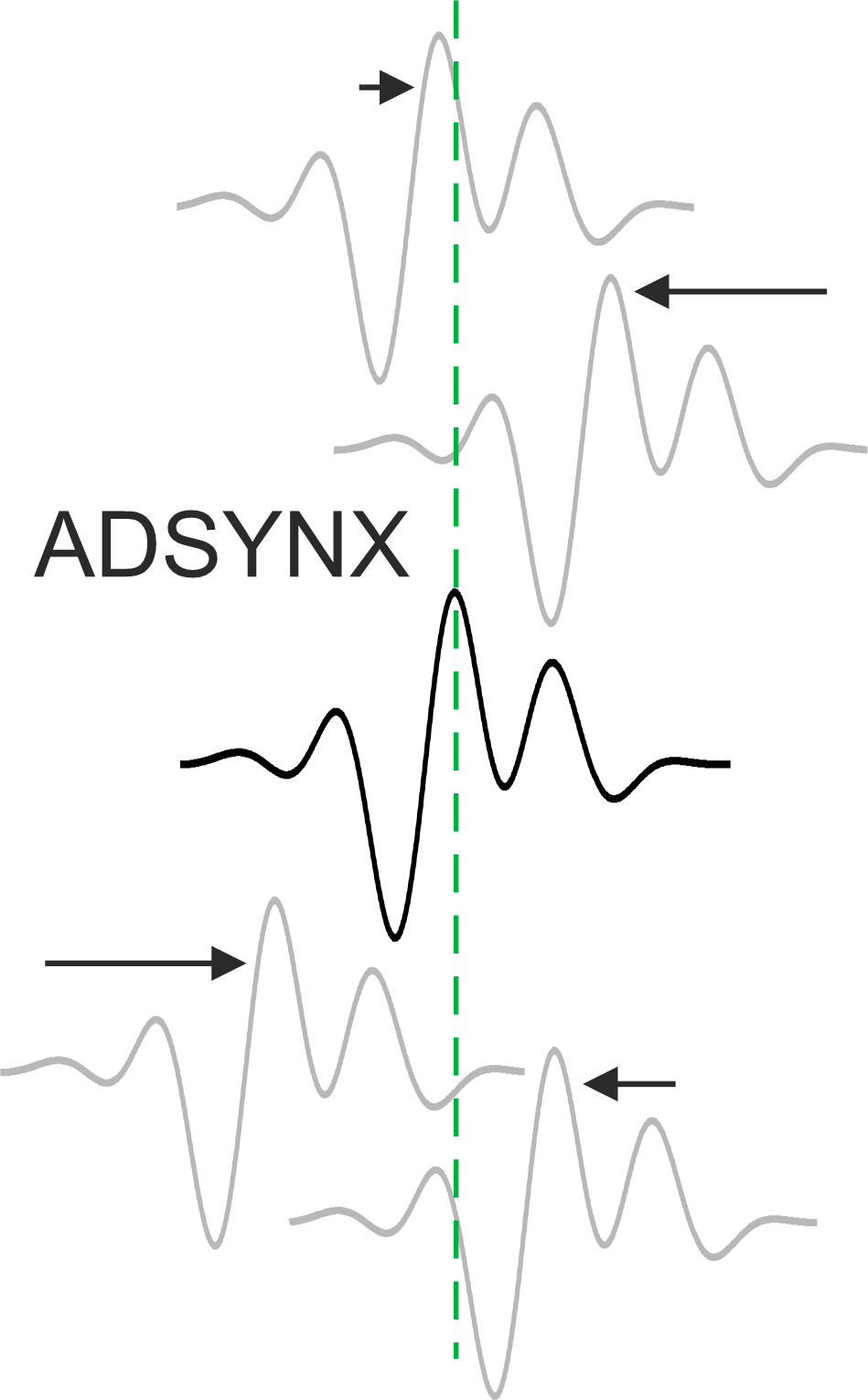
ADSYNX - Adaptive Control Method for Signal Synchronization
The ADSYNX technology provides a fast and adaptive method for the synchronization of different signals (skew compensation) for any electrical or optical system up to the GHz regime.
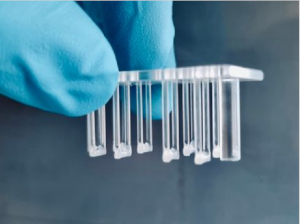
Scalable device for culturing and automatically measuring tissue engineered products
Tissue engineering has advanced over the last two decades and has the potential to replace traditional cell-based assays. Today, preclinical drug or toxin screening still relies on cell culture with poor predictive power. Scientists at the University of Göttingen have developed a new device for automated and reliable tissue engineering and drug testing.
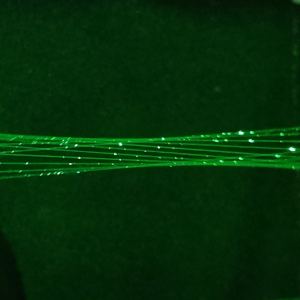
Cavity-enhanced Raman spectroscopy at reduced pressure
The method presented here provides a universal, selective, fast and efficient method for the identification of gaseous molecules based on cavity-enhanced Raman spectroscopy (CERS) at reduced pressure.
Novel technology to predict iron clogging and corrosion in water and hydraulic systems
Corrosion and iron clogging are commonly known problems in hydraulic systems. These phenomena are potentially causing great damage to the system or have negative impact on system performance. Scientists at the Leuphana University of Lüneburg developed a novel method to predict iron clogging in water and hydraulic systems.
Presented here is a filter unit that has one or multiple microwave resonators integrated into its filter material, whereby filter load can be monitored during operation. Thus, filter exchange intervals can be adjusted to actual filter capacity.
Improved method for alignment and sorting of cells in flow cytometry
Here we present two new methods for flow cytometry and fluorescence-activated cell sorting. Both methods are suitable for the so-called 'sexing' of spermatozoa as well as for many other applications of fluorescence-activated cell sorting and impose less stress on the sorted material than conventional techniques.
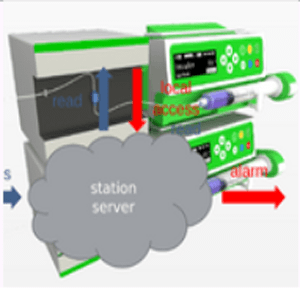
The following invention represents a possibility to identify infusions when administered by an injection pump. The method involves a combination of Raman spectroscopy and refractometry. Both methods of analysis are based on instrumental analysis. Furthermore, algorithms are used for the evaluation which can be assigned to indirect hard modelling and statistics.